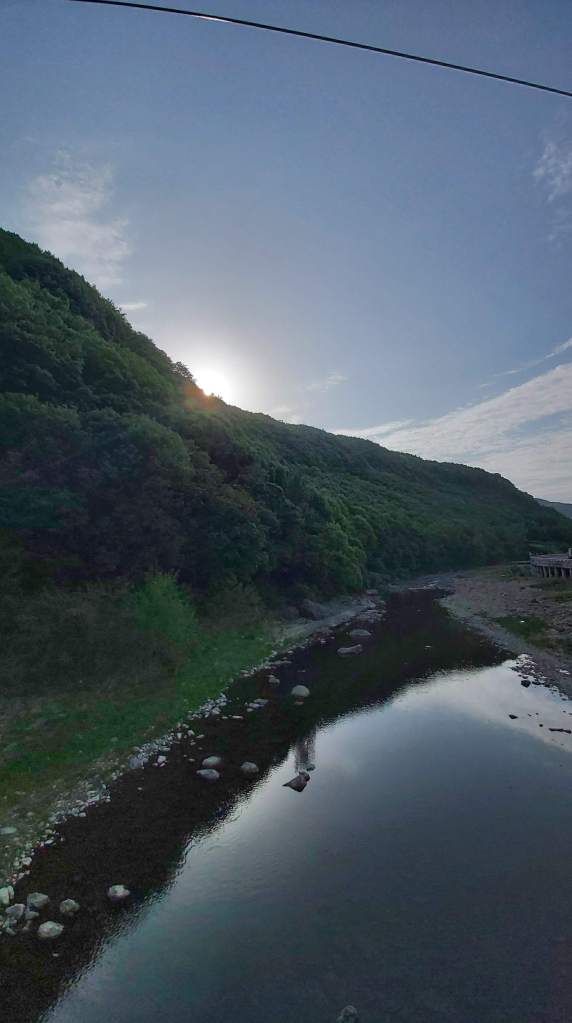
Hi there, readers! Long time, no write and read!
Since school started on March 2nd, I have been busy with lesson planning, teaching 24 classes a week, studying Korean, and taking (too many) naps. I cannot believe we are entering the month of May, already. 2021 is rocketing through time.
I have had two opportunities in April to travel outside of Daegu. I shall share my day trip to Cheongdo in this post, and my Busan trip in a separate post.
but first…let’s talk Korean numbers systems!
Numbers…and Hangul
The Korean alphabet, 한글 (Hangul) was created by King Sejong “The Great” who ruled during the Joseon Dynasty from 1419 until 1450. Although the Korean language existed, Confucian scholars had been reading and writing in Chinese characters prior to the creation of Hangul. They would use Chinese characters, but adjust them to meet the pronunciations of the Korean language. This system was so complex, that it became exclusive to the wealthy scholars to study and learn. For this reason, King Sejong commissioned scholars to build an alphabet exclusive to the Korean language. Each letter would be phonetic, and the alphabet would be comprehensive for all Koreans. In 1446, the Hangul alphabet was officially created.
Okay.. Numbers
As we have seen in a previous post, Korea and China have a long, complex and intertwined history. Just as English borrowed various words from other languages, so does Korean with Chinese. For this reason, there are two number systems utilized in Korean. One is Korea’s own native system, and the second is Chinese Sino-Korean.
Native Korean System:
If you are a K-Pop fan, have watched K-Dramas or Korean films such as Parasite or Train to Busan, you most likely have heard the native Korean counting system in use:
1 – 하나 (hana), 2 – 둘 (dul), 3 – 셋 (set).
The native Korean system is used to count hours (시 – si), age, people and things. For example, 1:00: 한 시 (han si).
- 1: 하나 (hana)
- 2: 둘 (dul)
- 3: 셋 (set)
- 4: 넷 (net)
- 5: 다섯 (daseot)
- 6: 여섯 (yeoseot)
- 7: 일곱 (ilgop)
- 8: 여덟 (yeodeol)
- 9: 아홉 (ahop)
- 10: 열 (yeol)
Sino-Korean System
Sino-Korean Numbers, however, are when talking about dates, money, addresses, phone numbers, any numbers above 100 and minutes (분 – bun). Example, 일 분 (il bun – one minute)
- 1: 일 (il)
- 2: 이 (i)
- 3: 삼 (sam)
- 4: 사 (sa)
- 5: 오 (o)
- 6: 육 (yuk)
- 7: 칠 (chil)
- 8: 팔 (pal)
- 9: 구 (gu)
- 10: 십 (sip)
More time examples:
1:01 한 시 (han si) 일 분 (il bun)
10:10 열 시 십 분 (yeol si sip bun)
9:09 아홉 시 구 분 (ahop sig gu bun)
My favorite hour is 9:00, because “아홉 시” sounds like “I hope she…”. This was my mneumonic device for remembering “si” for hour, and of course “ahop” for 9.
Aren’t numbers and languages fun? I am still trying to memorize the Native Korean system after a month.
Now that your head gerbils are spinning faster than usual, I’ll slow this post down and share with you my day trip to 청도 (Cheongdo).
청도 – Dynamic Cheongdo
Cheongdo is a small county made up of towns and townships. It is a short drive or – train ride – south of Daegu, and a very popular weekend destination for Daegu residents. It boasts relics and ruins from before and after the unification of the three kingdoms (approximately 57 BC – 668 AD), unified by the Silla Dynasty prior to 700 AD.
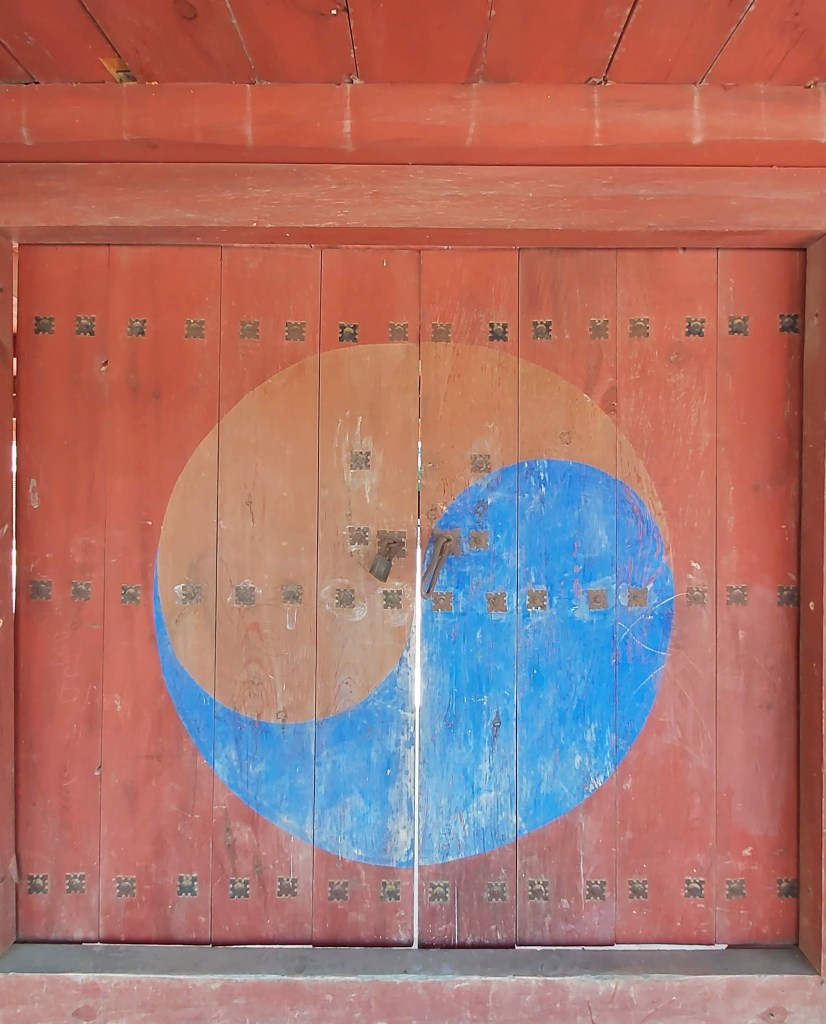
Within Cheongdo, the Silla Dynasty built a training base for its Hwarang “Flowering Knights”.
The brief research I have done regarding Hwarang, tends to point to young men from the upper-class families receiving diplomatic, religious and martial trainings. Some sources say this was to groom them for prestigious political and scholarly positions, while others claim they were elite warriors serving king and country.
Beyond its historical significance, Cheongdo is also known for its persimmons and bull fighting.
The bull fighting is bull against bull, where the fight continues until there is one bull left standing, or a bull runs away from the fight. Bull fighting was banned during the Japanese colonization of Korea from 1910 until 1945, and slowly became popular again as the country recovered from the Korean war. Cheongdo hosts a bull fighting festival each year to commemorate the March 1st Independence Movement Day – a protest movement against Japan’s colonization of the country.
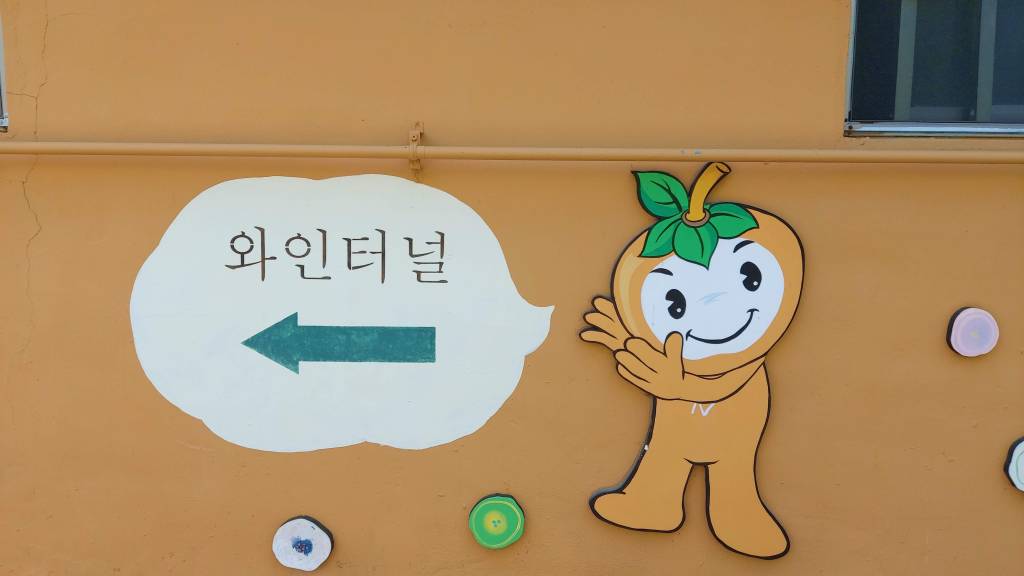
I, however, did not (nor do I plan to) see a bull fight. I was in Cheongdo to experience the wine tunnel and taste persimmon wine.
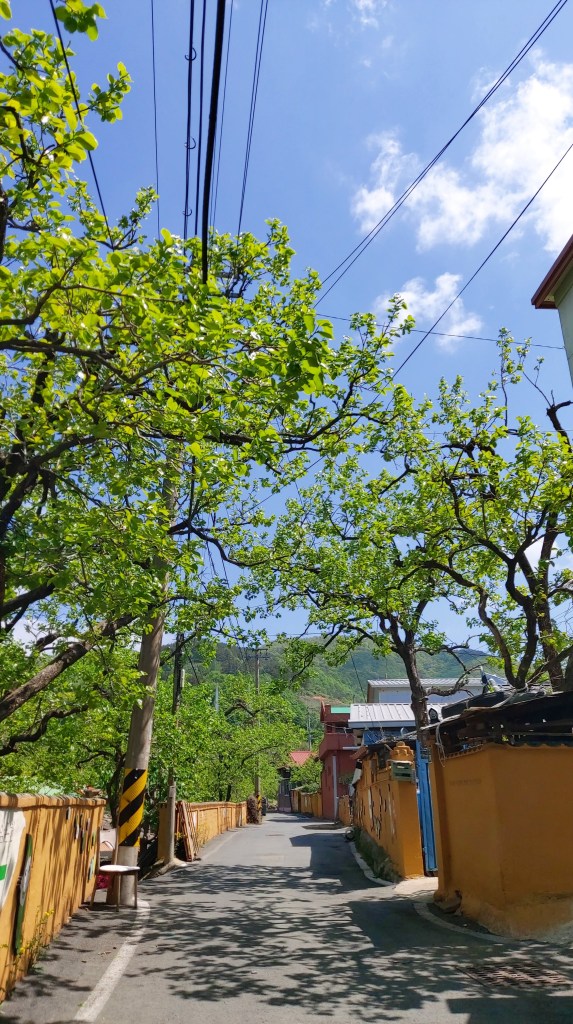
I took a 30 minute train from Daegu to Namseonghyeon Station, followed by a delightful 20 minute stroll through small town alleys to arrive at the tunnel. The persimmon trees, although not producing fruit at this time (they produce in the fall) were a vibrant green, which provided a beautiful compliment to the blue sky.
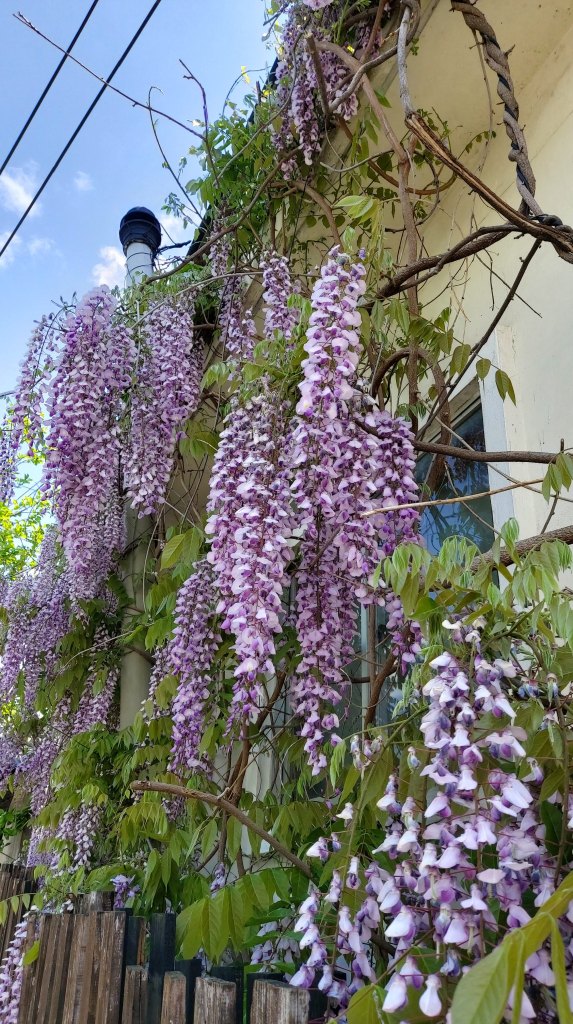
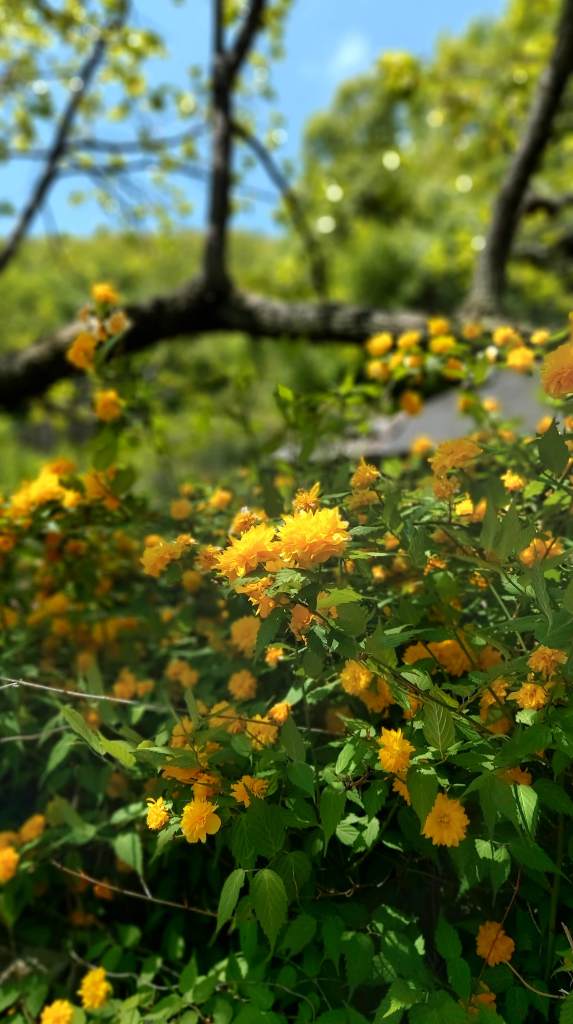
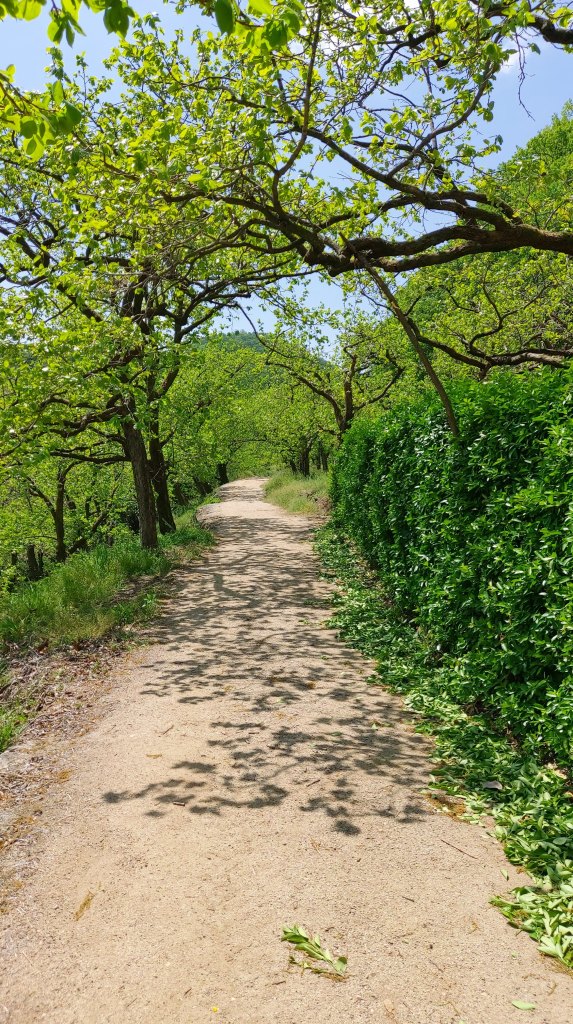
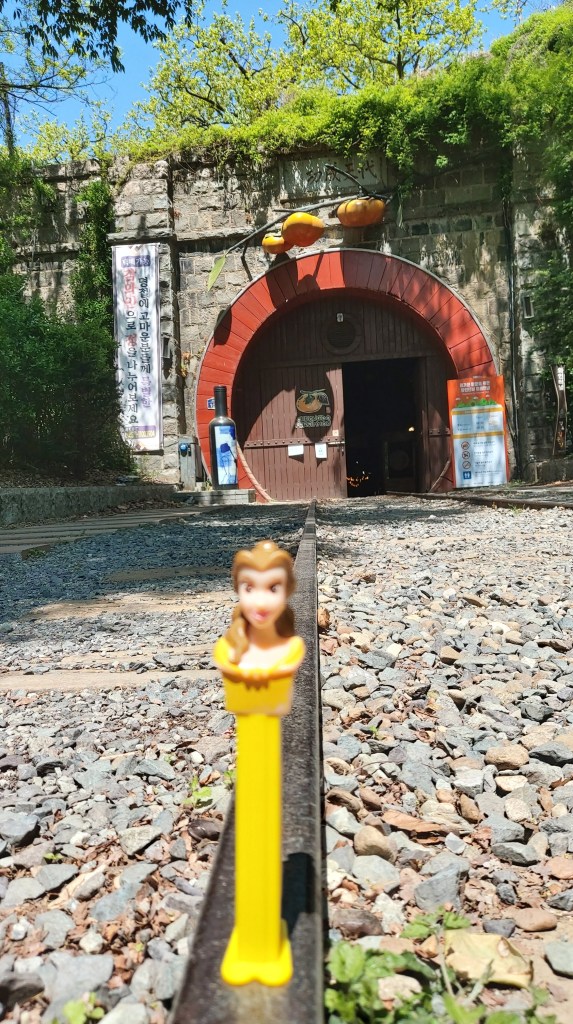
The tunnel, built between 1890s~1904, meant for a train tunnel, was adapted in 1904 by the persimmon farmers. They worked together to brick the tunnel ceiling and utilized the tunnel as a wine cellar.
It is free to walk along the tunnel, offering various picture-worthy sights. Early into the tunnel, you can enjoy a glass – or even a bottle or two – of persimmon wines, ranging from dry to ultra-sweet. There are tables and benches set up along one wall for you to sit and people-watch.
Belle is hiding in one picture.. try to find her!
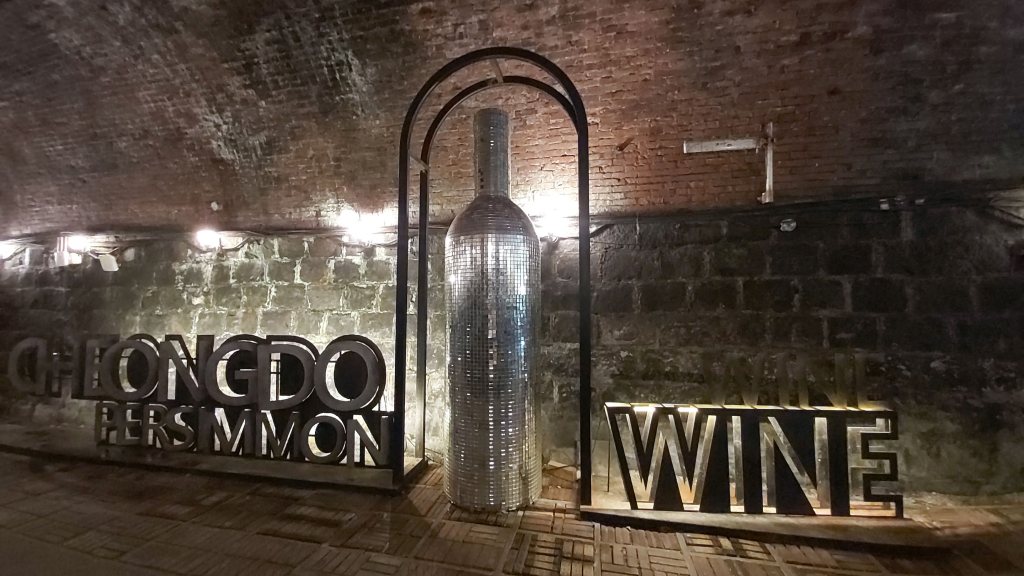
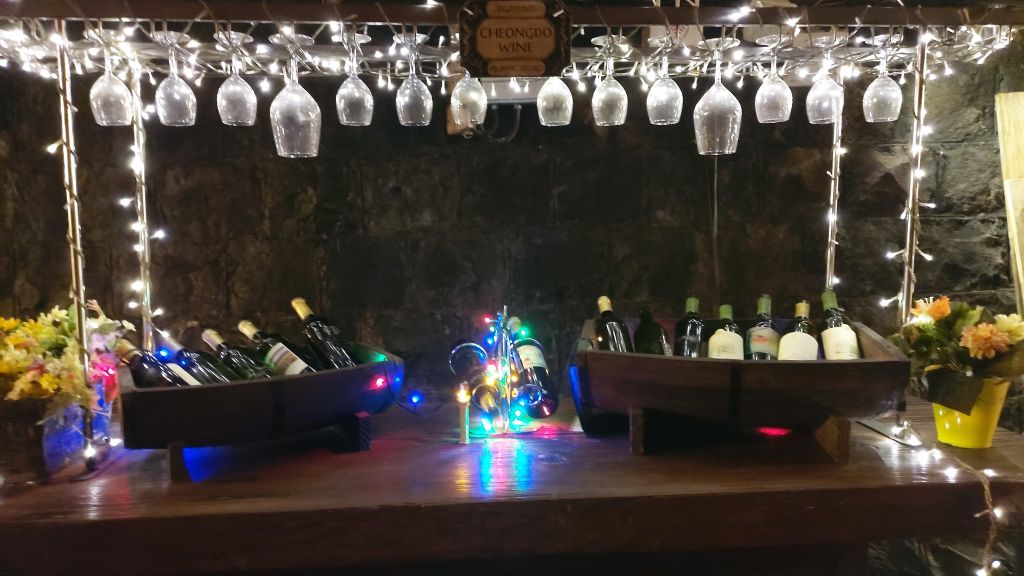
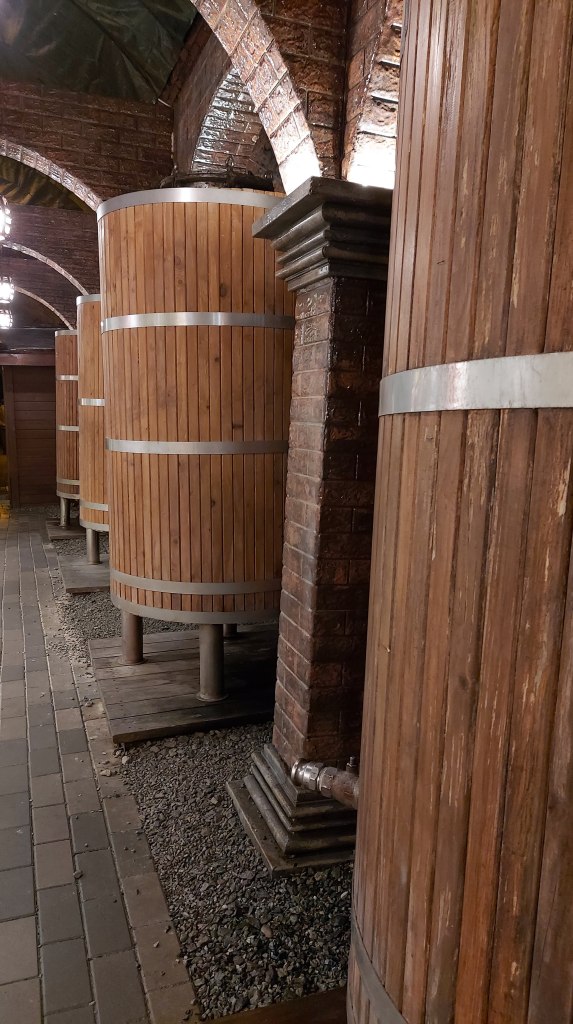
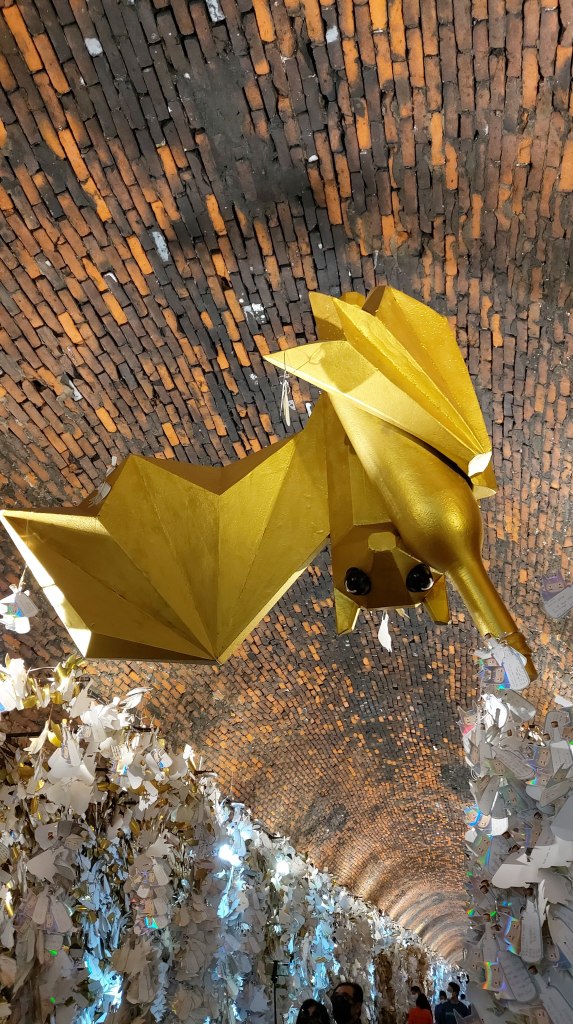
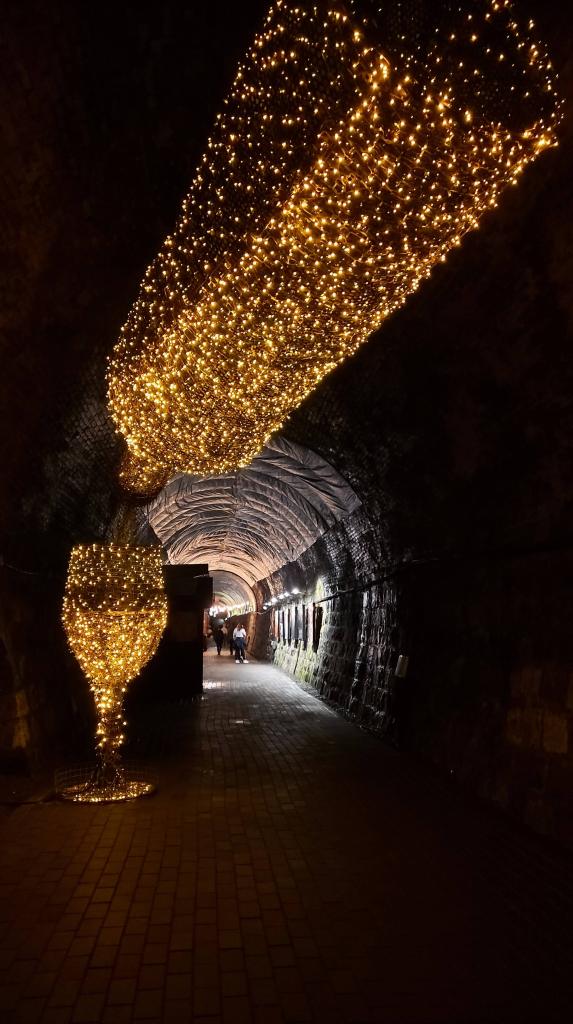
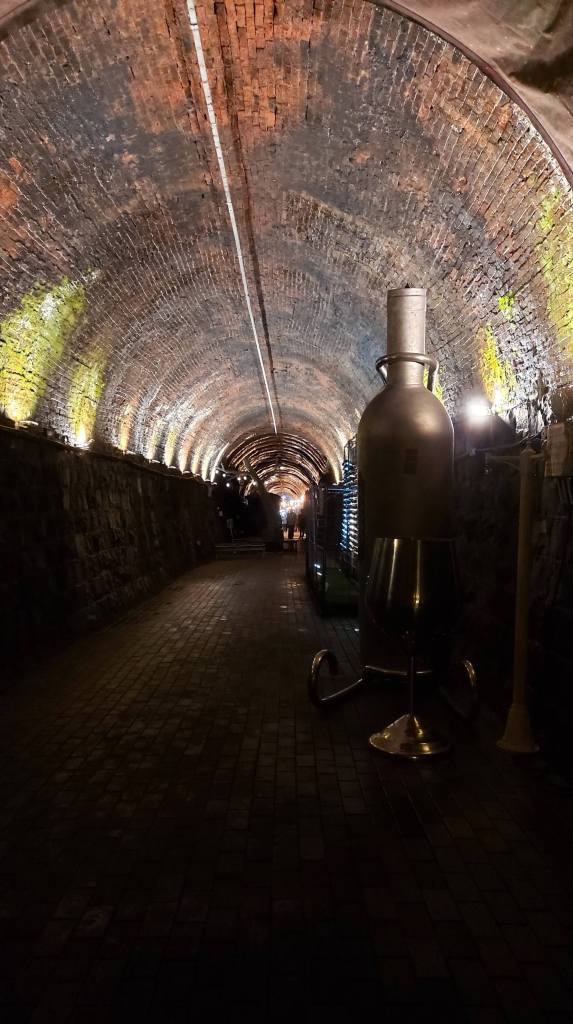
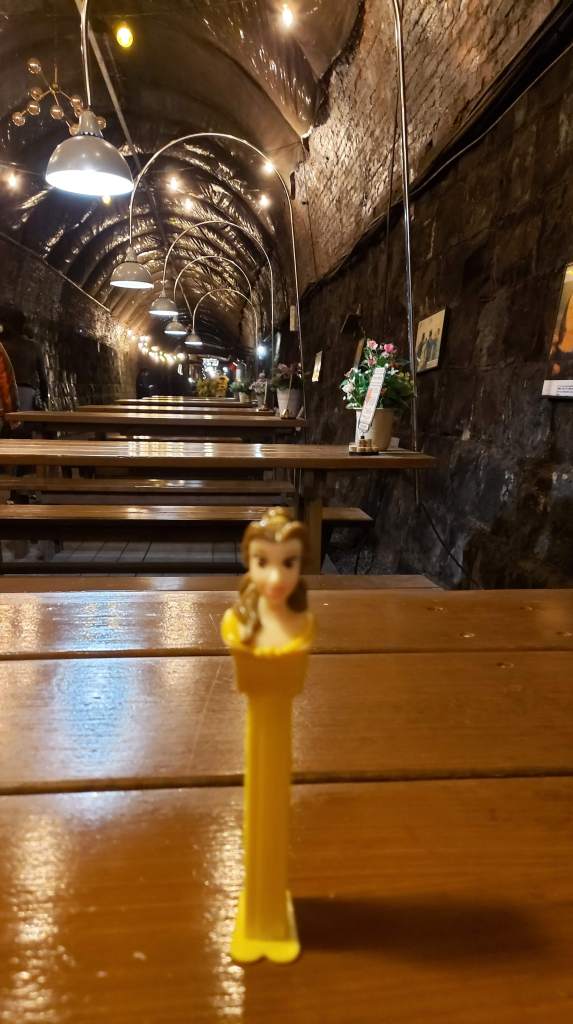
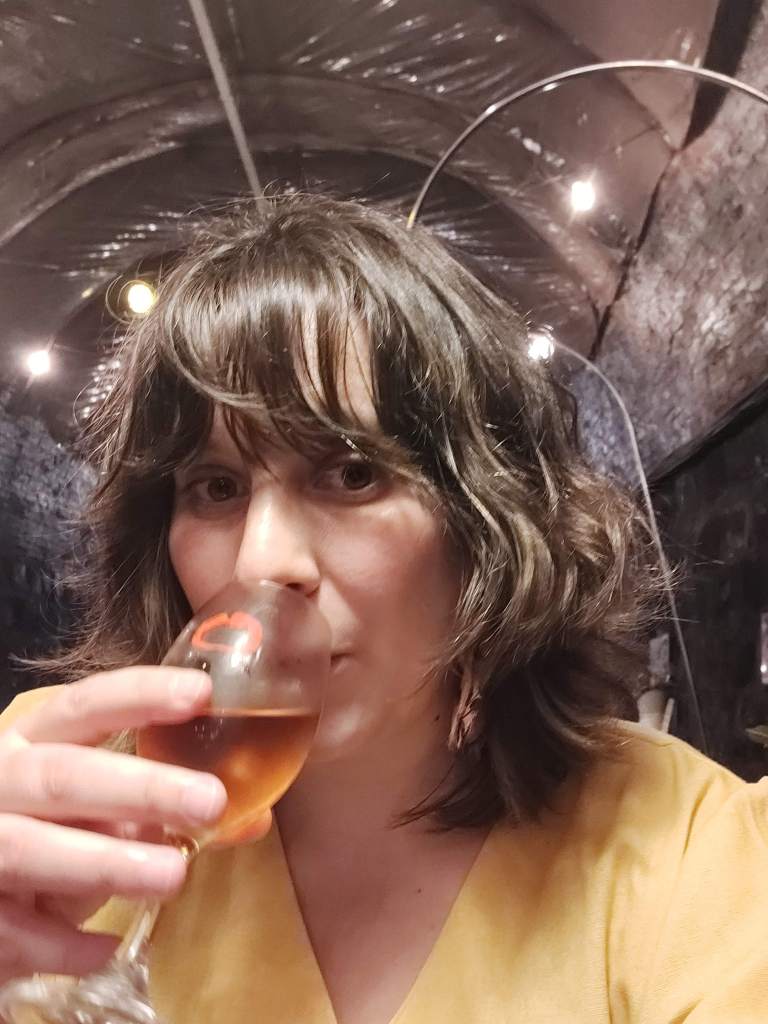
I spent an hour and a half enjoying the tunnel’s sights, and wine, before I headed towards the Cheongdo fortress.
I had visited the fortress once before with a friend, so this time was to simply walk and see more before I caught my 6pm train back to Daegu.
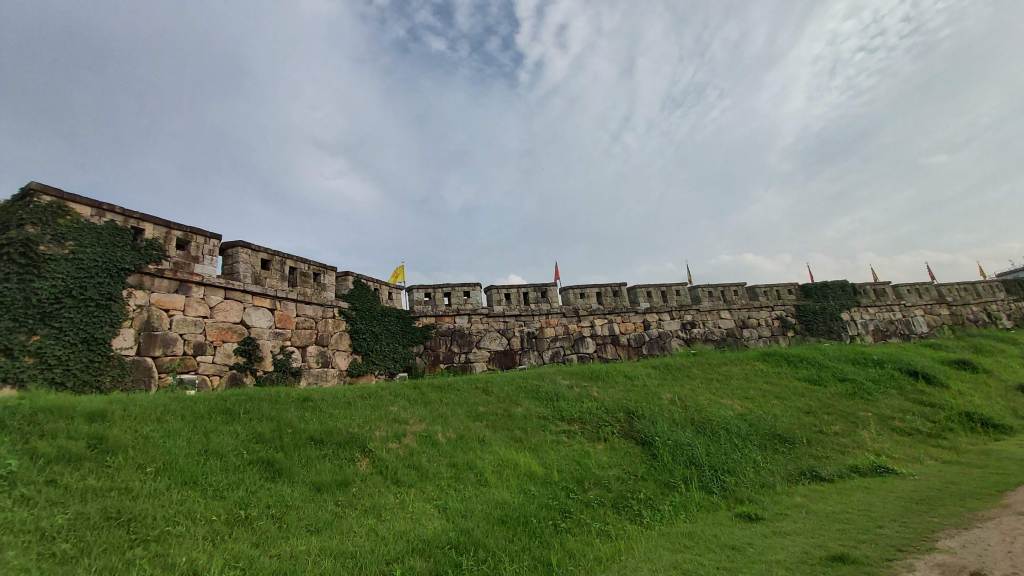
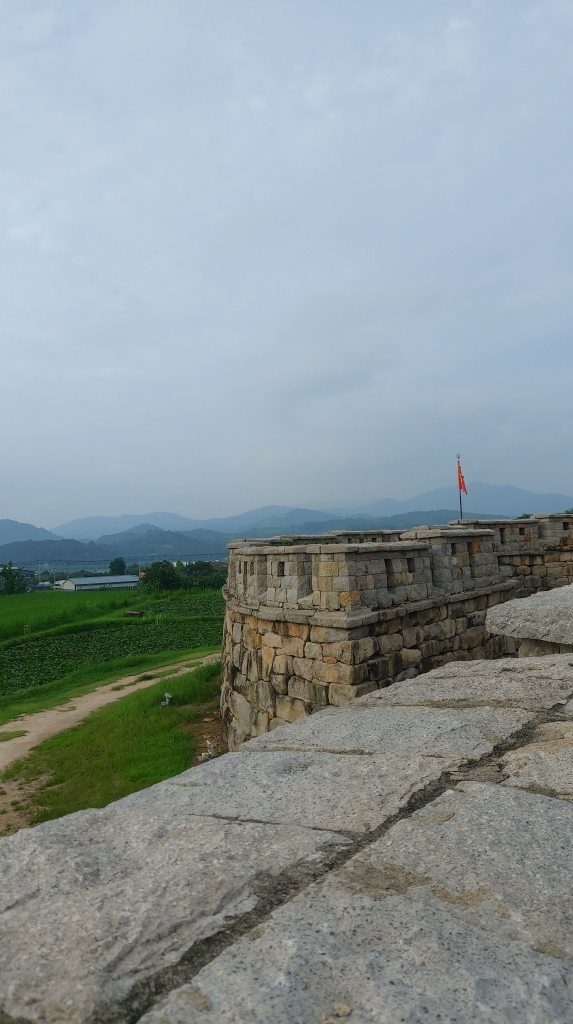
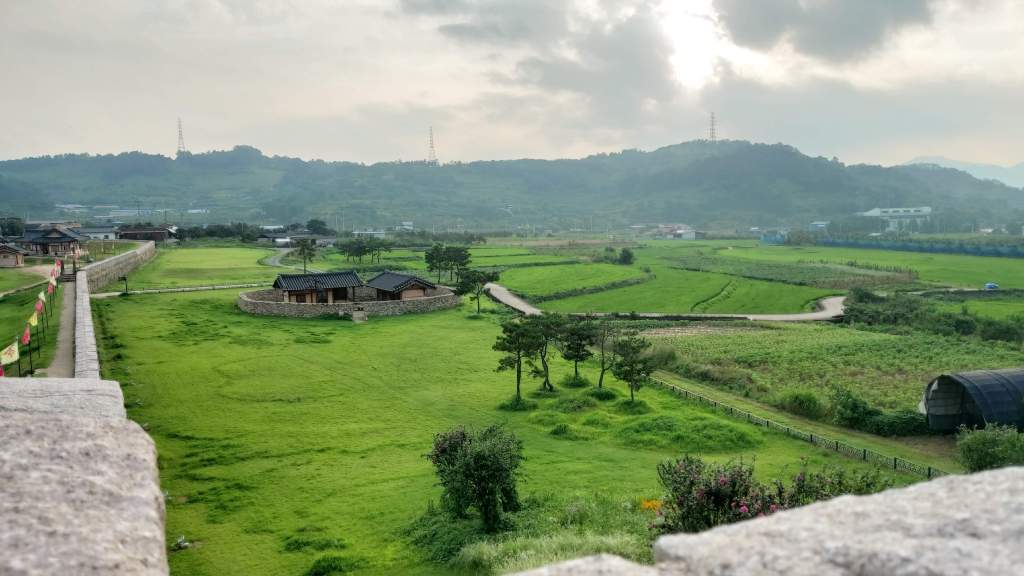
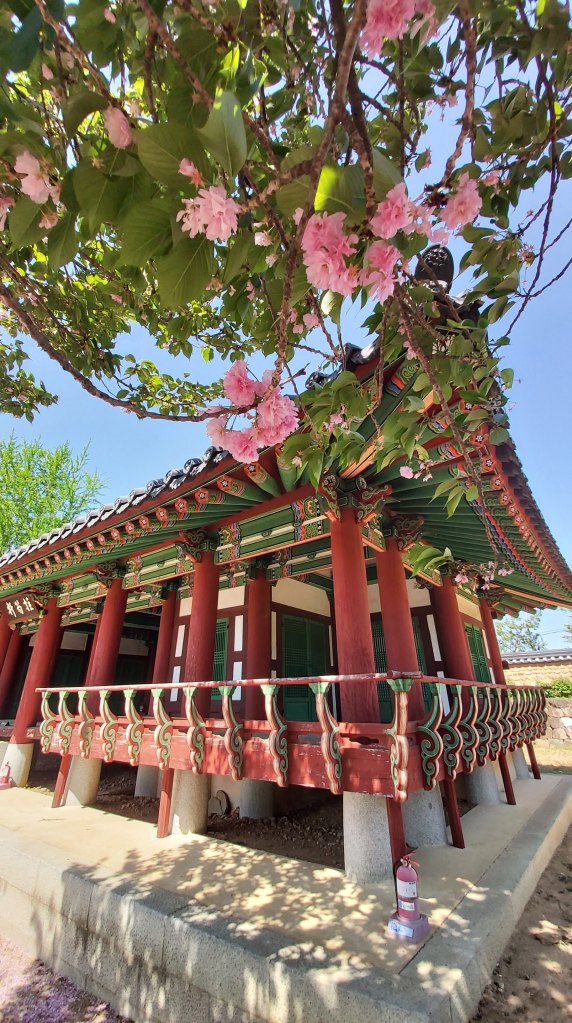
In this exploration, I stumbled upon the old government building, which was 1400s, I believe. It sits atop a small hill, overlooking a current elementary school’s soccer field. I pity the kid who has a strong kick and accidentally knocks a hole in the relic with the ball! As there were families on the soccer field, I could not take a picture to show the placement of this building.
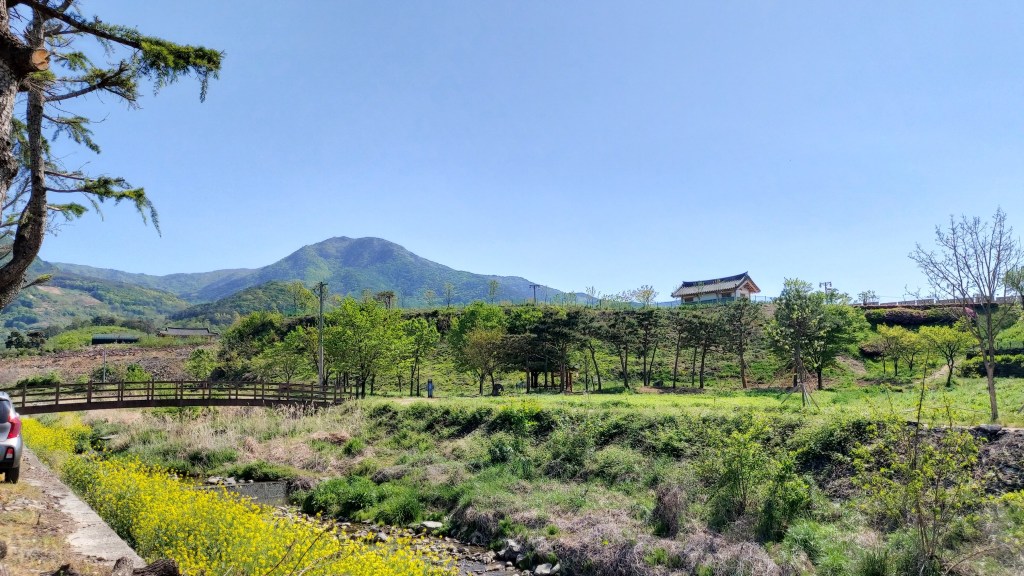
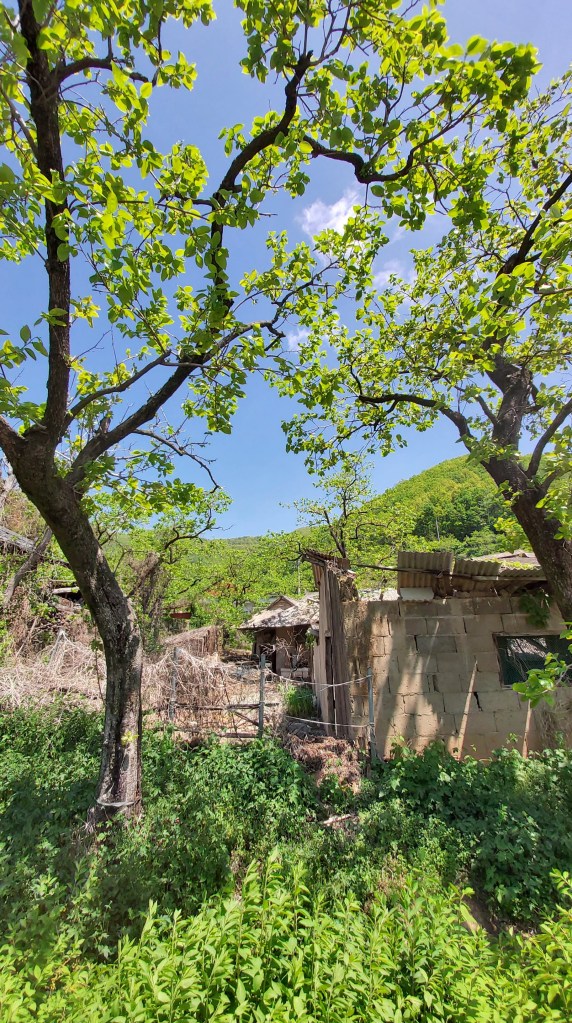
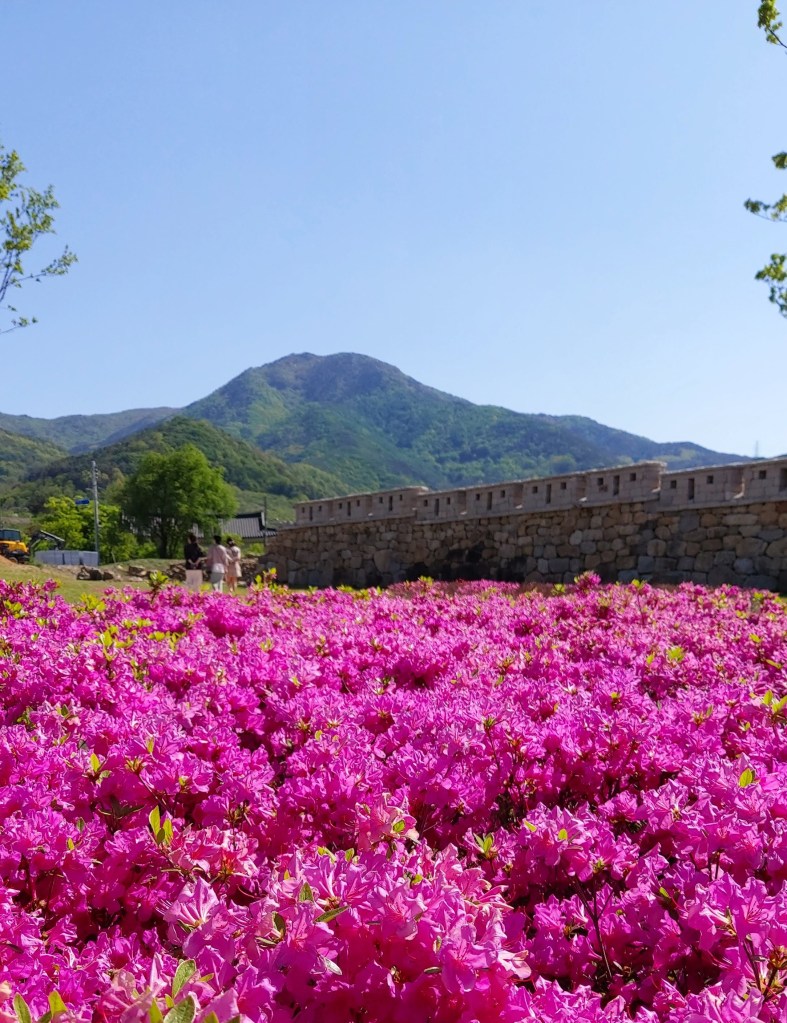
After walking over 23,000 steps in the day (I love step counters!) I was exhausted as I climbed aboard the train and headed back to Daegu. I nearly fell asleep on the 40 minute bus ride back from the Daegu station.
It was a nice change of scenery for a brief journey!
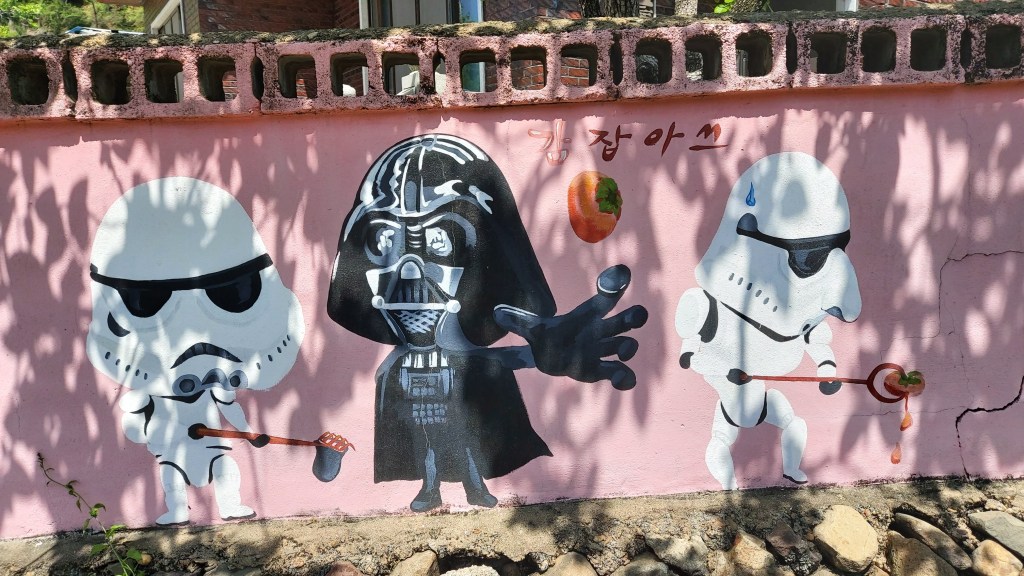
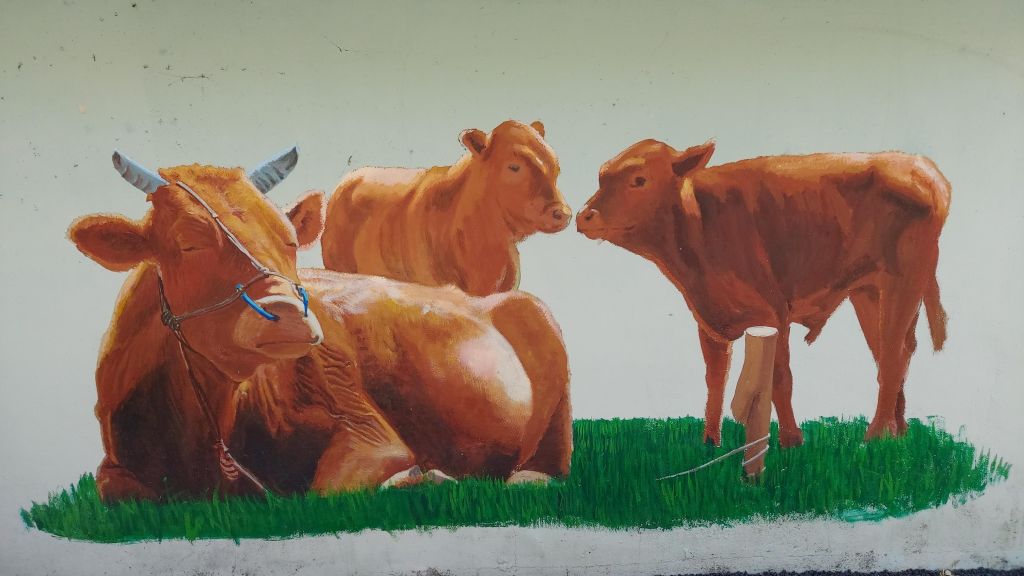
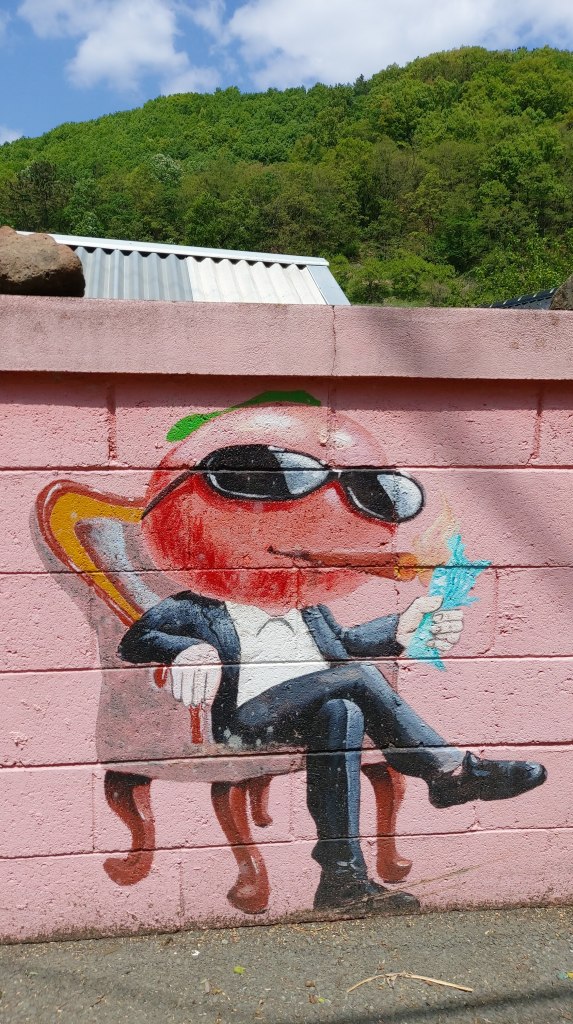
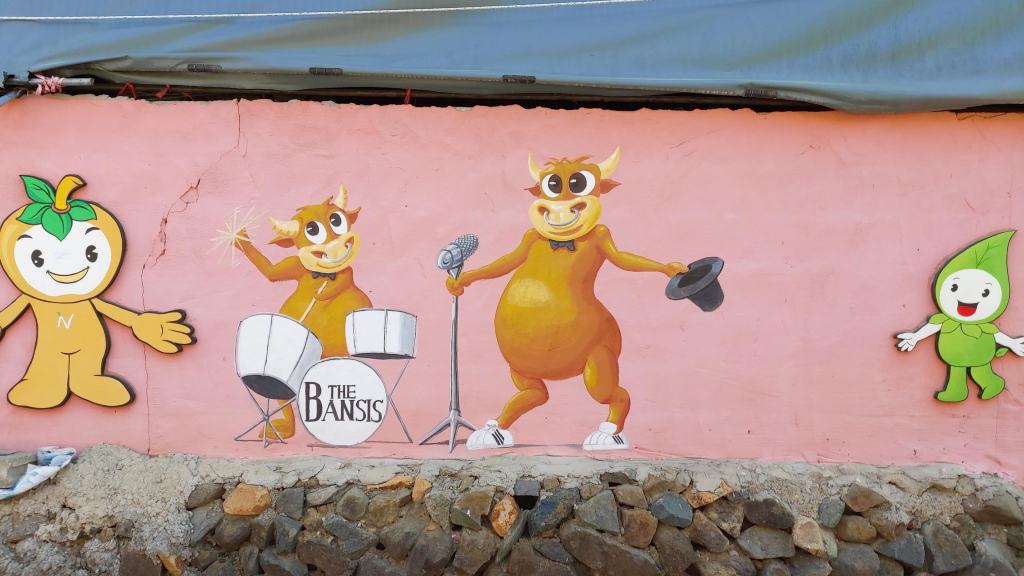
Stay tuned for a post about my weekend trip to Busan. I’ll end this post with some fun murals I saw on my walk to the tunnel.
As always, thank you for joining me on this adventure!
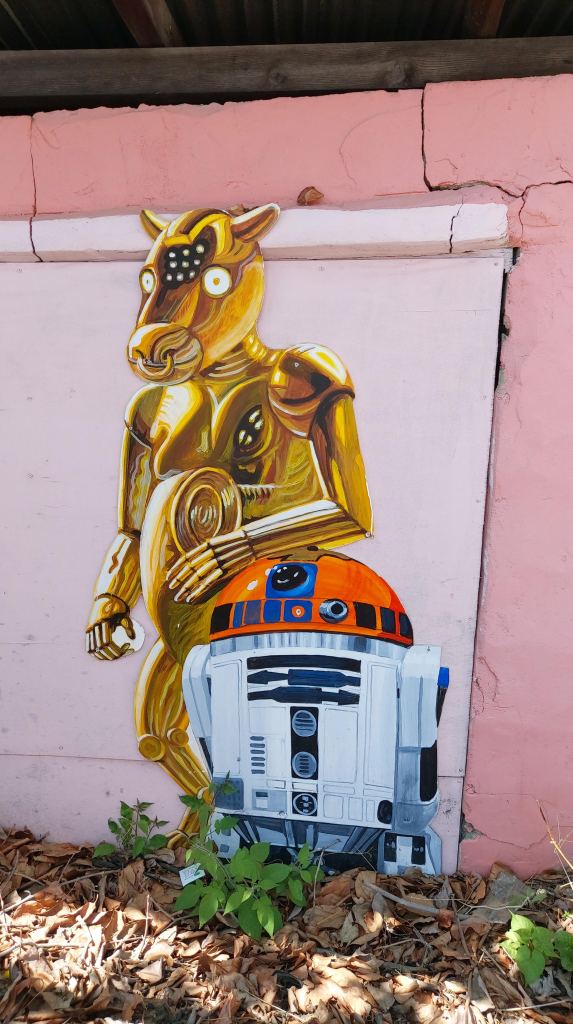
 A Girl And Her Pez